Vitamin C
Vitamin C, explained properly.
Everything Celin knows about ascorbic acid, written for people rather than for prescribers. No claims about curing anything — just what the molecule does, how much you need, where to get it, and what happens when you run short.
Vitamin C is unusual among the things your body needs. Most animals make their own; humans, along with guinea pigs and most primates, lost that ability somewhere in evolutionary history. Every molecule of Vitamin C in your body arrived there from outside it.
It is also water-soluble, which means the body holds no meaningful reserve. What you do not use within roughly a day, you pass. That single fact drives almost everything else on these pages — why intake has to be daily, why deficiency creeps rather than crashes, and why "I had an orange on Sunday" does not cover Thursday.
What ascorbic acid actually does.
- Promotes collagen production
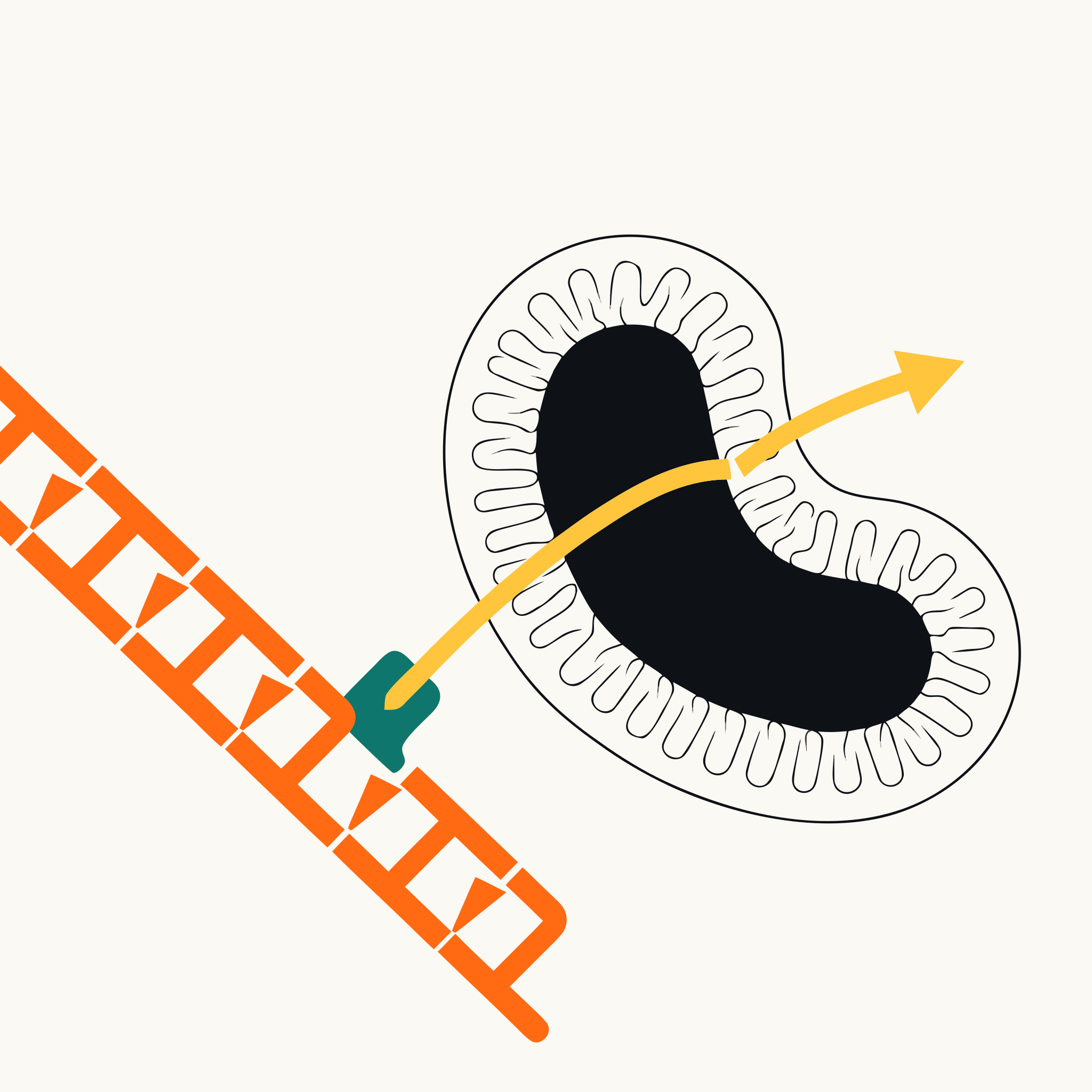
- Vitamin C is a required cofactor for the enzymes that stabilise collagen — the structural protein of skin, blood vessels, cartilage, bone and connective tissue.Tissues that rebuild collagen fastest feel a shortage first, which is why gums and wound healing show it before anything else.
- Reduces oxidative stress
- Vitamin C helps protect your cells from everyday damage caused by stress, pollution, and normal body processes — which is what reducing oxidative stress means. It also helps keep your body’s antioxidant system working well.
- Boosts energy
- Vitamin C is required to build L-carnitine, the molecule that carries fatty acids into the mitochondria to be burned for energy.This role is often overlooked, but it may explain why tiredness is usually noticed first — before any changes in skin or gums.
- Supports brain chemistry
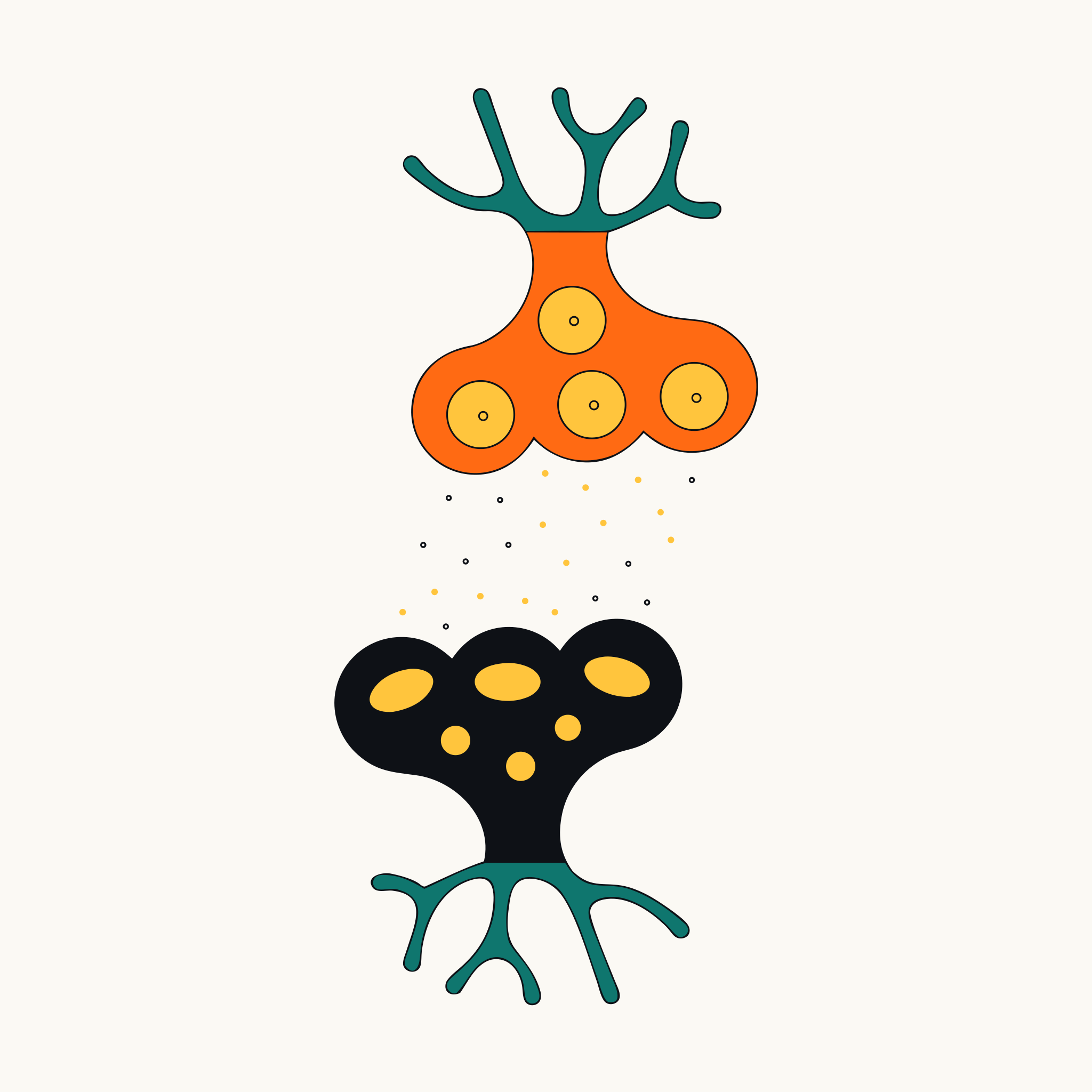
- The enzyme that converts dopamine into norepinephrine needs Vitamin C to work, as does the step that finishes several peptide hormones.Ascorbic acid is not only structural — it sits inside the chemistry of signalling.
- Improves iron absorption
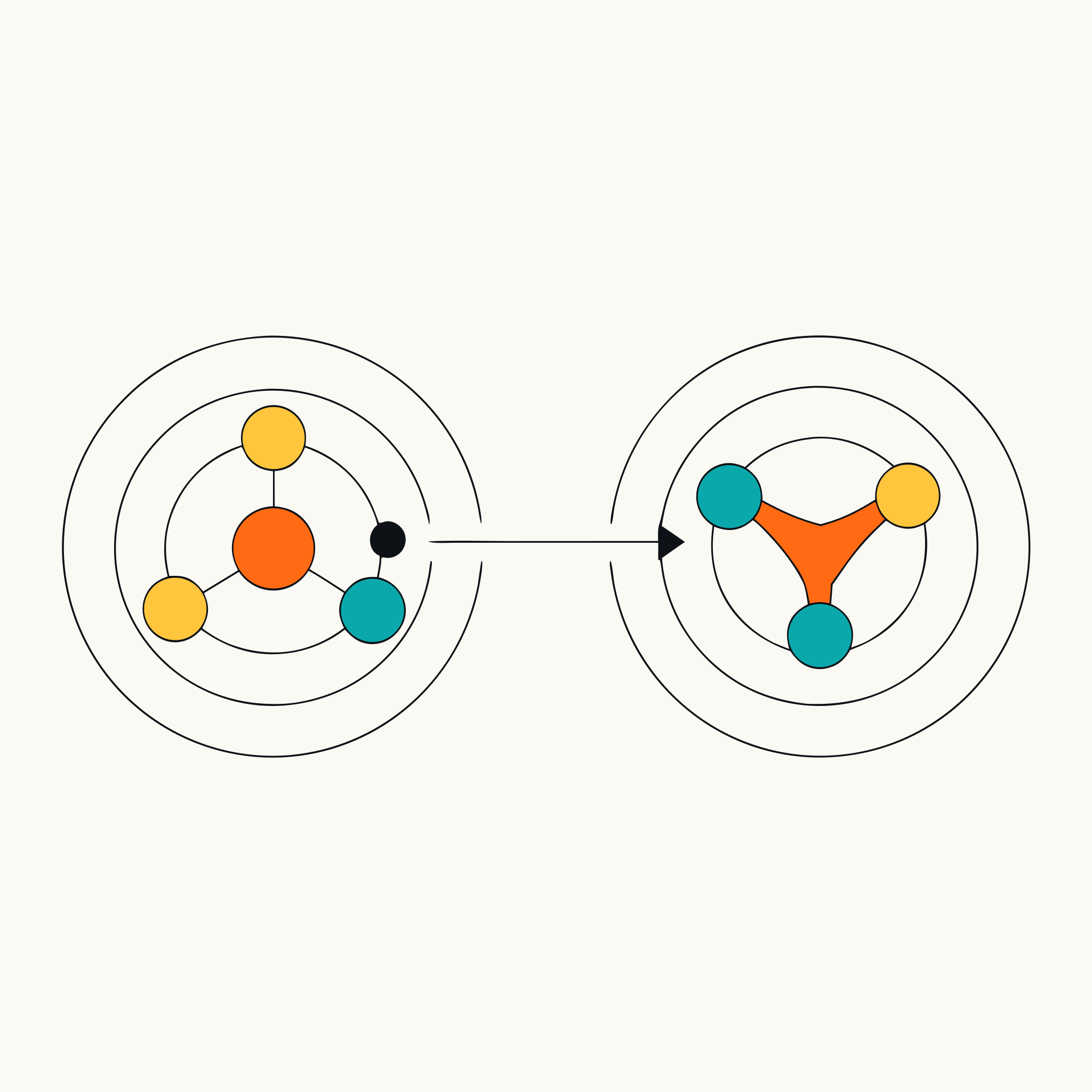
- Vitamin C converts dietary iron into a form the gut absorbs far more readily. Where much of the iron eaten comes from plants, that conversion does a great deal of quiet work.
- Supports immune function
- It accumulates in white blood cells at concentrations far above those in plasma, and contributes to the normal function of the immune system.What it does not do is prevent, treat or cure illness — and nothing on this site says otherwise.

Nutrient roles throughout this section are per the NIH Office of Dietary Supplements Vitamin C fact sheet for health professionals. Nothing here is medical advice.