
Tier two
Celin DZ
Vitamin C, D3 and Zinc
Daily immunity protection the whole family can take, without sugar.
Health supplement · not for medicinal use · FSSAI Lic. No. 10722999001018
- Sugar free
- Suitable for diabetic patients
- Chewable
- Ages 8 and above
Daily immunity protection for the family, ages 8 and above.
Key strengths
What Celin DZ is for
Daily immunity protection for the whole family — three nutrients at recommended daily levels, in a chewable that is sugar free.
- 3
- Nutrients, three mechanisms
- 100%
- RDA of Vitamin C and D3
- 0.00 g
- Total and added sugar
- 1
- Tablet a day, ages 8+
Vitamin C, Vitamin D3 and Zinc each support immune function differently. None substitutes for another.
A full day’s requirement of both. Zinc at 47%, because it also comes from food.
Sweetened with mannitol and sucralose at 0.44 kcal. Labelled suitable for diabetic patients.
Chewable, orange, no water. Built to be taken every day for years.
Who it’s for
Who is Celin DZ for
Three nutrients at recommended daily levels in one sugar-free chewable, for ages 8 and above. It is the one product in the range built to be shared across a household.
- 01
People with diabetes
Zero total and zero added sugar, sweetened with mannitol and sucralose, and labelled suitable for diabetic patients on the carton.
- 02
Families wanting one product for everyone
Labelled for ages 8 and above at one tablet a day, so children, adults and grandparents take the same thing.
- 03
Anyone whose day runs office to car to home
An estimated 70–80% of people in India are Vitamin D deficient. It is made in skin from sunlight, and indoor work, covered clothing and air pollution all reduce how much you actually make. DZ supplies 600 IU.
- 04
People who want one thing, every day, for years
Formulated at 100% RDA for Vitamin C and D3 rather than at a therapeutic dose — nutritional amounts, meant for the long run.
How it works
Three nutrients. Three different jobs.
Vitamin C, Vitamin D3 and Zinc all contribute to normal immune function — but they do it at different points, which is the reason to take them together rather than separately. None of them substitutes for another.
01
Vitamin C
80 mg

The antioxidant, and the one your body cannot store
Vitamin C builds up inside white blood cells to fight infection — and gets used up in the process. It also protects your cells from everyday damage as an antioxidant.
Your body can’t make Vitamin C or store it. Whatever it doesn’t use, it flushes out — so you need it every day, not just once in a while.
In plain English
You cannot bank it. Whatever you took yesterday is already gone, which is why it has to be an everyday habit rather than something you remember when you feel run down.80 mg is 100% of the ICMR recommended daily allowance — a full day’s requirement, for continuous use rather than short-term correction.
02
Vitamin D3
600 IU

The one Indians are most likely to be short of
Vitamin D works like an alarm for the body’s immune system against infection: immune cells carry receptors for it, and it contributes to their normal function.
An estimated 70–80% of people in India are Vitamin D deficient. Unlike Vitamin C it is made in the skin from sunlight — which sounds like it should be abundant in India, and often is not. Indoor work, covered clothing, air pollution and darker skin all reduce how much is actually made.
In plain English
Sunshine is not the same as sunlight on skin. If your day runs office to car to home, you may be getting far less of this than the weather suggests.600 IU is 100% of the ICMR recommended daily allowance.
03
Zinc
8 mg
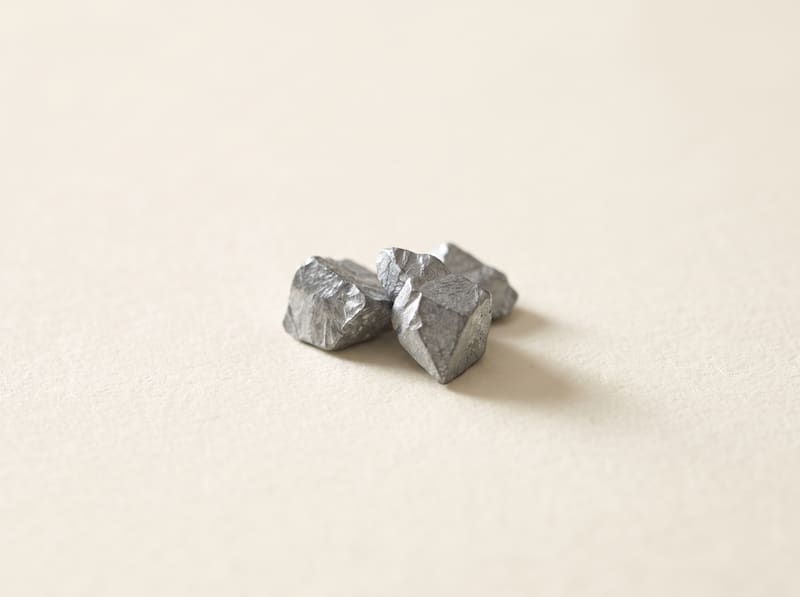
The mineral immune cells are built with
Zinc contributes to normal immune function and to the protection of cells from oxidative stress. It is a structural part of hundreds of enzymes, and of the proteins that let immune cells divide and mature.
The body keeps no dedicated zinc store, so a steady daily supply matters more than an occasional large one.
In plain English
Your immune cells are partly built out of this. Running short is less like missing a boost and more like being short of a building material.8 mg is 47% of the daily allowance — deliberately partial, because zinc also comes from food and is not meant to be over-supplied.


Why all three, and why at these amounts
- They do not overlap
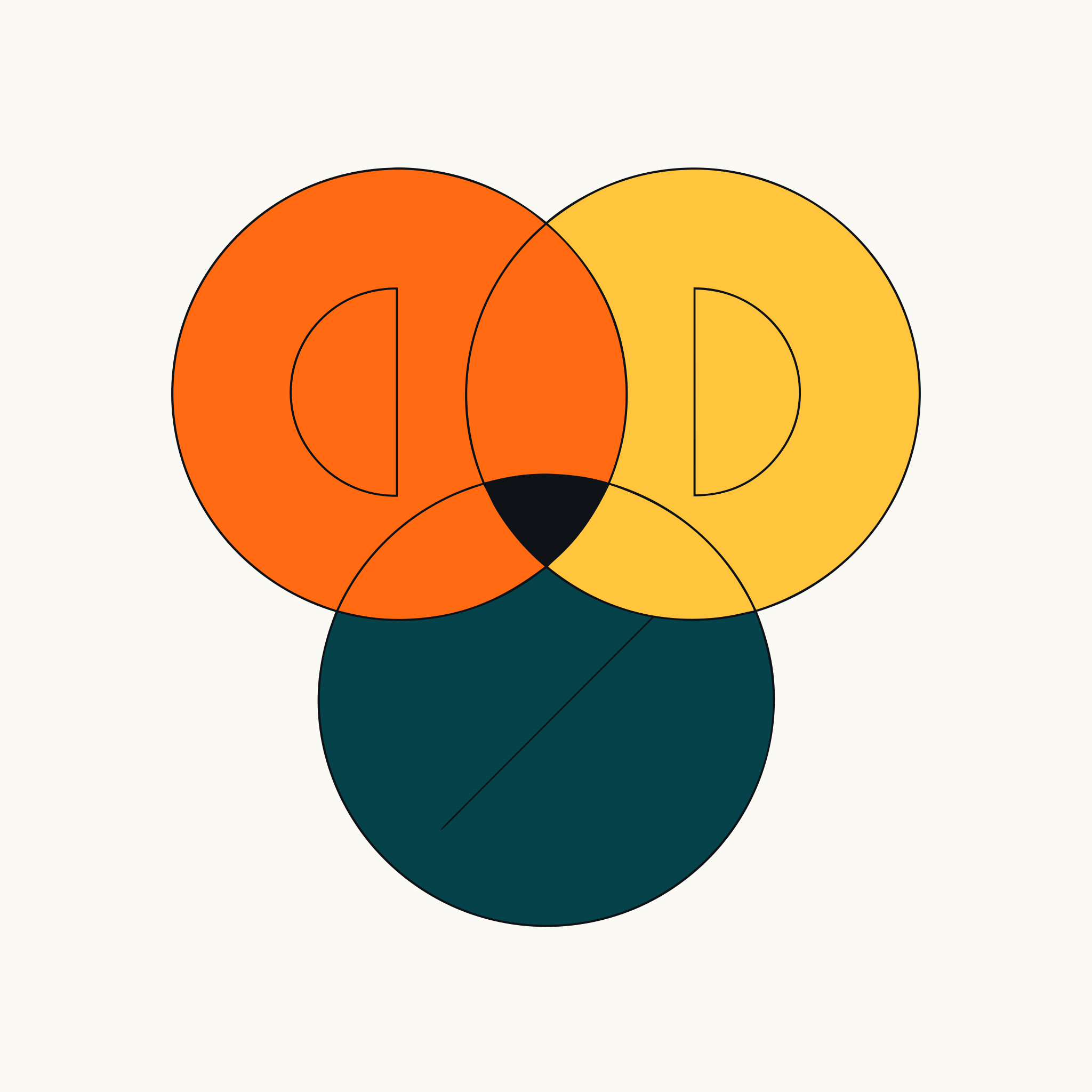
- Vitamin C works as an antioxidant and is consumed by active immune cells. Vitamin D acts through receptors on those cells. Zinc is structural — cells are built with it.
In plain English
Three different jobs, so topping up one does nothing for the other two. - Formulated for every day, not for a crisis
- Vitamin C and D3 are at 100% of the daily allowance and zinc at 47%. These are nutritional amounts intended for sustained daily use — not a short therapeutic course. That is a deliberate difference from Celin 500.
- The three most common Indian gaps, in one tablet
- Rather than a long ingredient list, DZ covers the three nutrients most often short in Indian diets that share an established role in immune function.
Composition
| Per tablet | Amount | % RDA |
|---|---|---|
| Vitamin C (as Ascorbic Acid) | 80 mg | 100% |
| Vitamin D3 (as Cholecalciferol) | 600 IU | 100% |
| Zinc (as Zinc Sulphate) | 8 mg | 47.06% |
| Energy | 0.44 kcal | — |
| Total sugar | 0.00 g | — |
| Added sugar | 0.00 g | — |
- Directions
- One tablet daily, or as directed by a healthcare practitioner. Suitable for ages 8 and above.
- Storage
- Store in a cool, dry place, protected from direct sunlight.
- Pack
- 1 × 10 and 10 × 10 tablets
Where to buy
Celin is stocked at pharmacy counters rather than sold online. Ask for it by name at your chemist.
Not every counter stocks every strength. Ask, or call ahead.


